





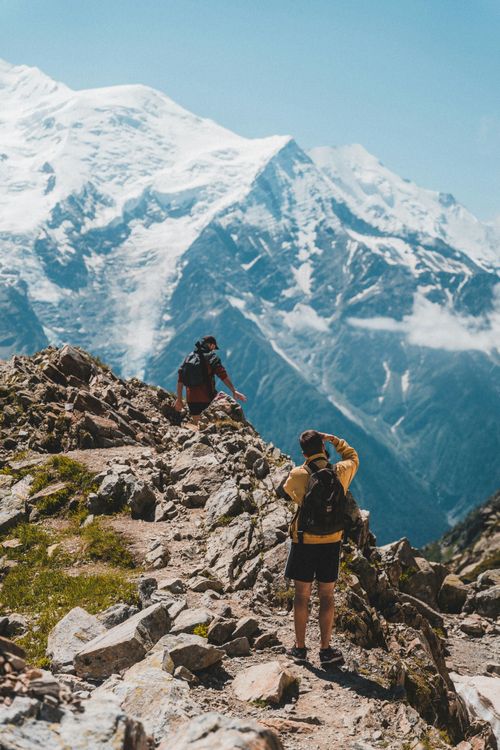
Athletic: 7 days
For experienced hikers happy to cover a lot of km each day. The stages are long, the pace demanding, but the satisfaction of completing the TMB in a week is unmatched. Excellent fitness and real alpine hiking experience are a must.
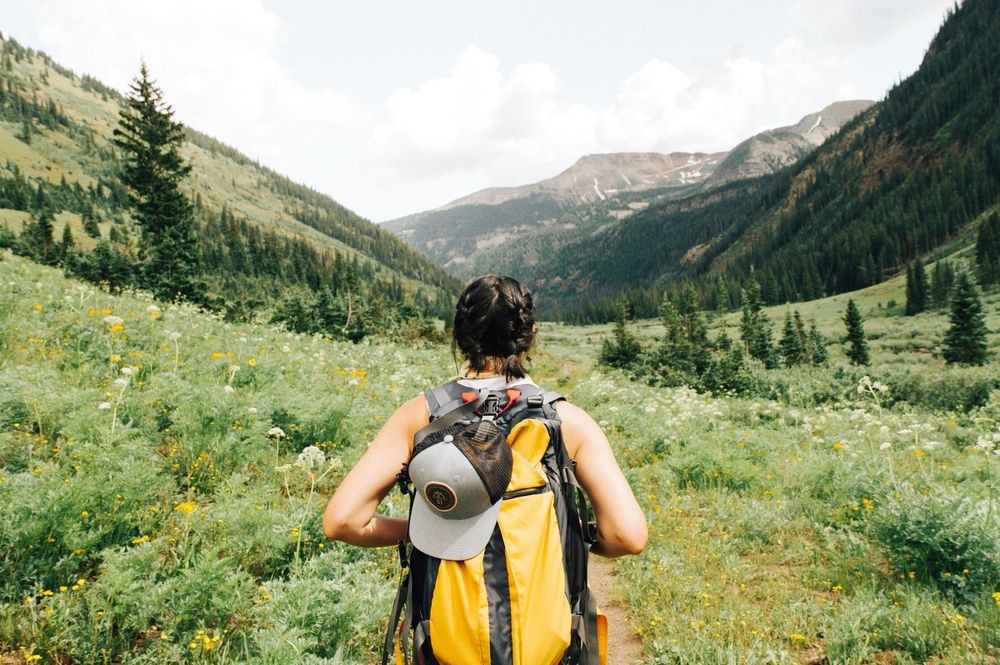
Preparing for the Tour du Mont-Blanc means the journey has already begun and ensures you’re giving yourself the best possible chance of making the most of the adventure. A well-planned route, stages suited to your fitness level, pre-booked accommodation and a well-thought-out, suitable rucksack are the keys to a successful trek.
Careful preparation enables you to walk with peace of mind, conserve your energy and ensure that the Tour du Mont-Blanc is, above all, an adventure filled with enjoyment, new discoveries and shared moments.
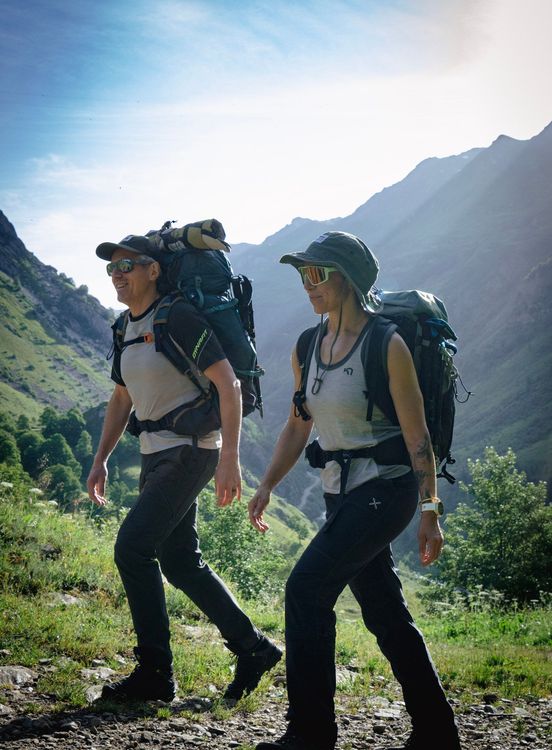
The Tour du Mont-Blanc is accessible to many hikers, provided they are well prepared. It does not require technical skills, but it does call for a good knowledge of the mountains, endurance and the ability to walk several days in a row with significant ascents and some weight on your shoulders. The key is to adapt your pace: a first trek is prepared differently from a sporting goal.
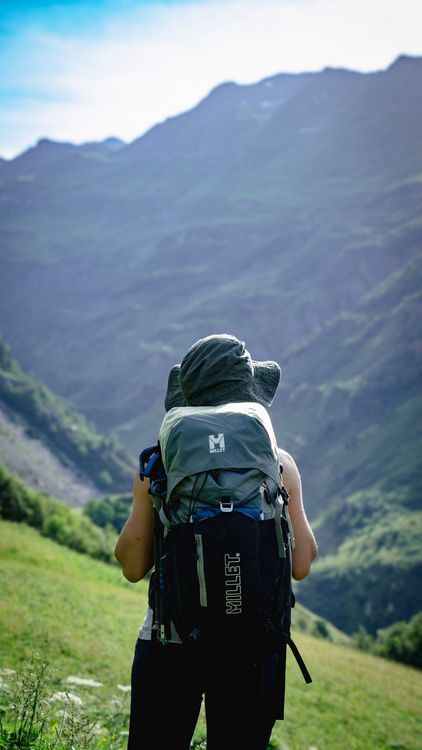
The TMB is usually hiked in 7 to 12 days, depending on your pace and your fitness.
For experienced hikers happy to cover a lot of km each day. The stages are long, the pace demanding, but the satisfaction of completing the TMB in a week is unmatched. Excellent fitness and real alpine hiking experience are a must.
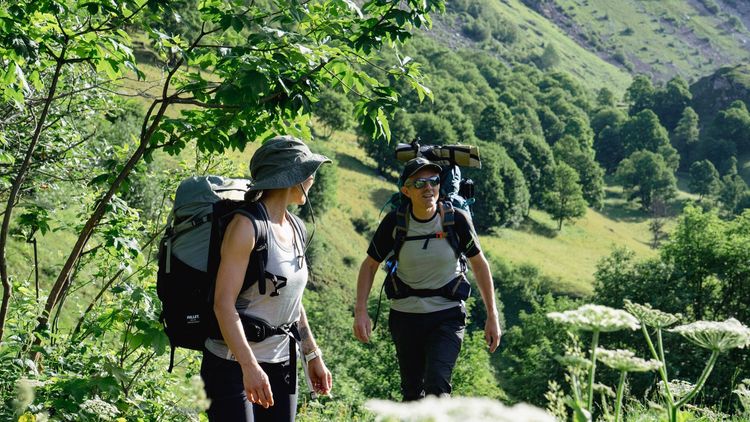
The most popular format. Stages of 15 to 20 km a day, a comfortable pace that leaves time to take in the scenery, catch your breath at the passes and enjoy the atmosphere of the refuges in the evenings. Ideal for regular hikers who want to make the most of it without rushing.
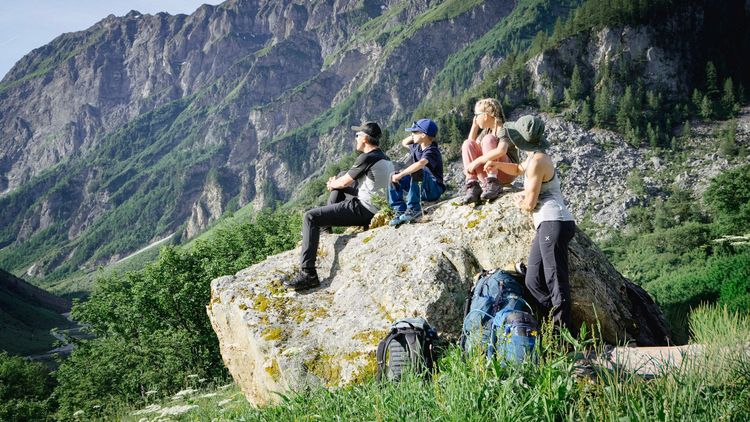
For those who want to experience the TMB to the fullest, without watching the clock. Shorter stages, time to observe, photograph, linger over a panorama or explore a variant route. The best way to come home with memories that will last a lifetime.
June is the adventure version of the TMB. The mountains are just emerging from winter and some sections are still snow-covered. The paths can be difficult to make out and signposts are sometimes obscured. Knowing how to read and interpret a map and find your way is essential. Depending on the conditions, suitable kit may be required: walking poles, crampons, etc. On the other hand, June offers mountains in full bloom and teeming with life.
In July and August, the TMB is livelier, with more walkers and more facilities open.
September reveals a different side to the TMB. The days are shorter and the temperatures cooler; the mountains regain their tranquillity and return to their wild state. Autumn colours begin to appear and the trails become quieter, offering a particularly enjoyable experience. This is the favourite time of year for the mountain hut wardens.
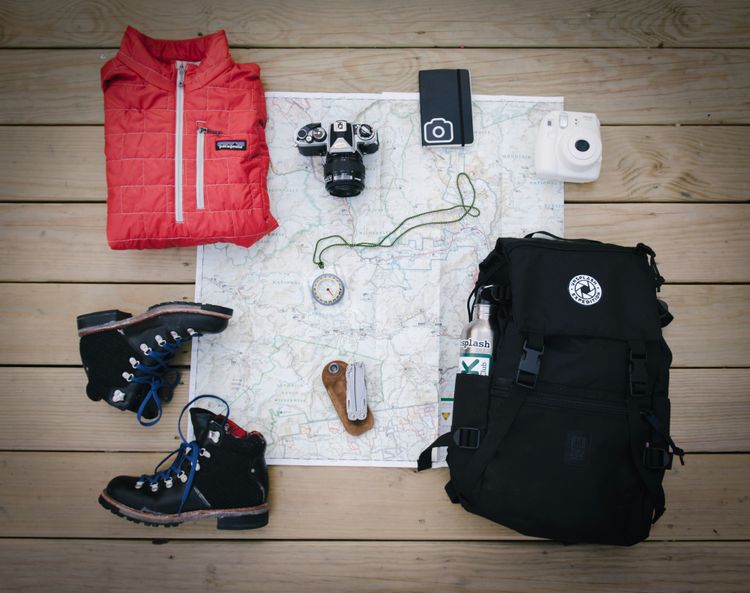
Travel light with the right gear:
Watch out for changing weather: pack warm and waterproof clothing, and boots with Vibram® soles and a waterproof membrane (Gore-tex®).
The Tour du Mont-Blanc is accessible by train and bus from France, Switzerland and Italy. The main access points — Chamonix, Les Houches, Courmayeur, Bourg-Saint-Maurice and Champex — make it easy to organise your arrival or join the route without a car.
The Tour du Mont-Blanc is completed on foot. Public transport is available to make it easier to reach the route and can serve as a fallback option in the event of injury or unforeseen circumstances.
The TMB experience is, above all, a walking experience — here, the best means of transport is still a good pair of walking boots.
Please note: some sections of the TMB are in ‘white zones’, with no mobile network coverage. This is a wonderful opportunity to switch off and reconnect with the mountains and nature. However, it is important not to rely solely on your mobile phone for navigation and to let your loved ones know that you may be out of contact for several days.
The main area with no mobile coverage stretches from the Pont Romain in Les Contamines to Lac Combal, passing through the Chapieux Valley and the Col de la Seigne.
Chamonix and Les Houches are the main access points on the French side.
Vallée de Chamonix: Buses connect the different stages of the route
Martigny / Le Fayet train: Martigny / Vallorcine / Chamonix / Les Houches / Saint-Gervais
Les Contamines-Montjoie: Village centre - Notre-Dame de la Gorge shuttle
Regional bus (Y84): Sallanches / Saint-Gervais-les-Bains / Contamines-Montjoie
Les Chapieux: Les Chapieux / Ville des Glaciers / Les Lanchettes shuttle
Les Chapieux / Bourg-Saint-Maurice shuttle
Please note: dogs are not allowed on the shuttles; they cannot be booked in advance.
Courmayeur is easily reached from Chamonix through the Mont-Blanc tunnel. Local buses then serve the Val Veny and Val Ferret valleys.
Val Veny: La Visaille / Place Mont-Blanc bus; free shuttle
Val Ferret: Verrand / Place Mont-Blanc / Arp Nouvaz bus; free shuttle
Bus connection through the Mont-Blanc tunnel available:
The Swiss section of the TMB (La Fouly, Champex-Lac) is well served by Swiss buses and trains. The network is reliable and makes it easy to adapt certain stages of the route.
La Fouly / Champex bus.
Martigny / Le Fayet train: Martigny / Vallorcine / Chamonix / Les Houches
