

When to go?
The ideal season runs from mid-June to mid-September. July and August offer the best conditions but also the highest footfall, and some accommodation can be fully booked several months in advance.
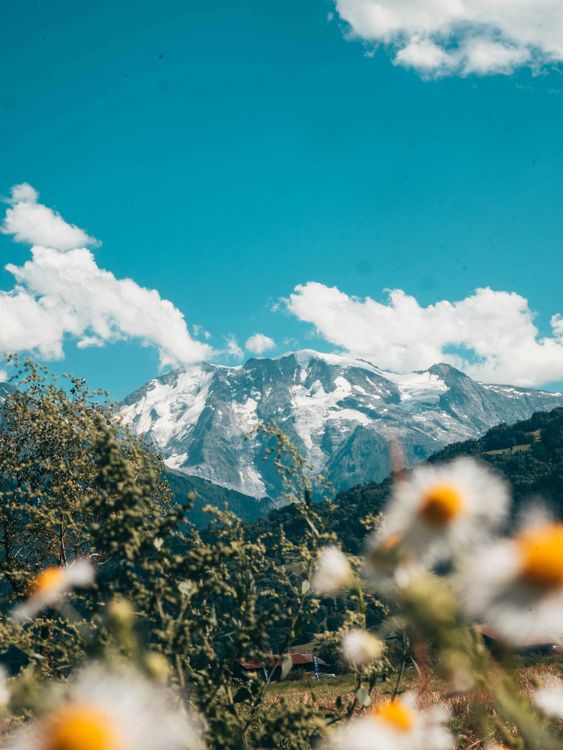
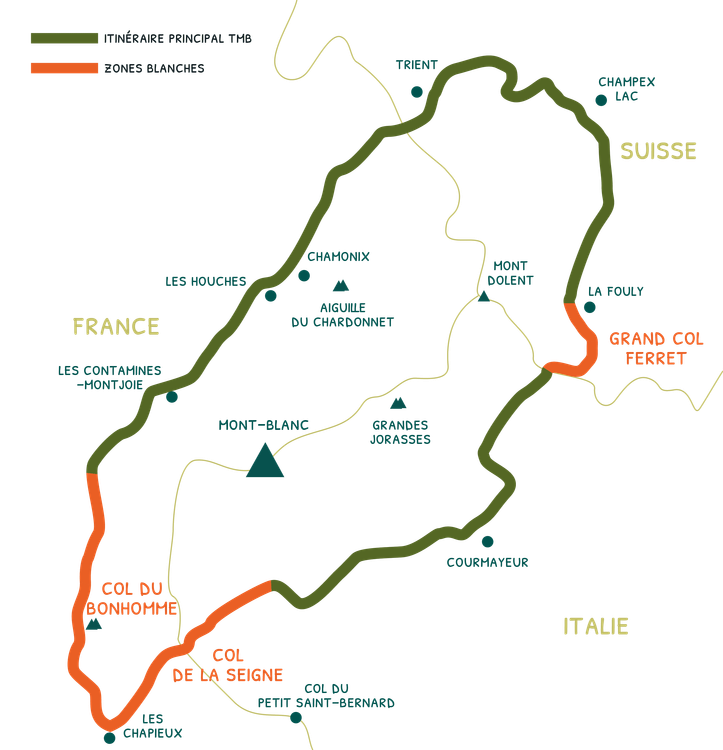
The Tour du Mont-Blanc is one of the most iconic treks in Europe. Over almost 170 km, it crosses France, Italy and Switzerland, through spectacular alpine scenery: glaciers, valleys, high pastures and mountain passes.
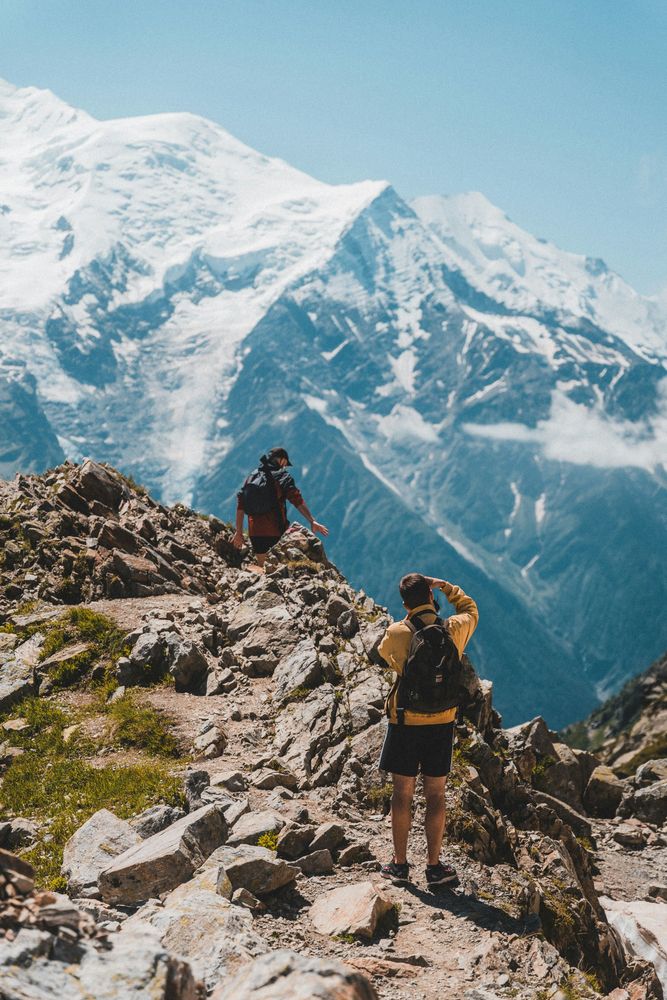
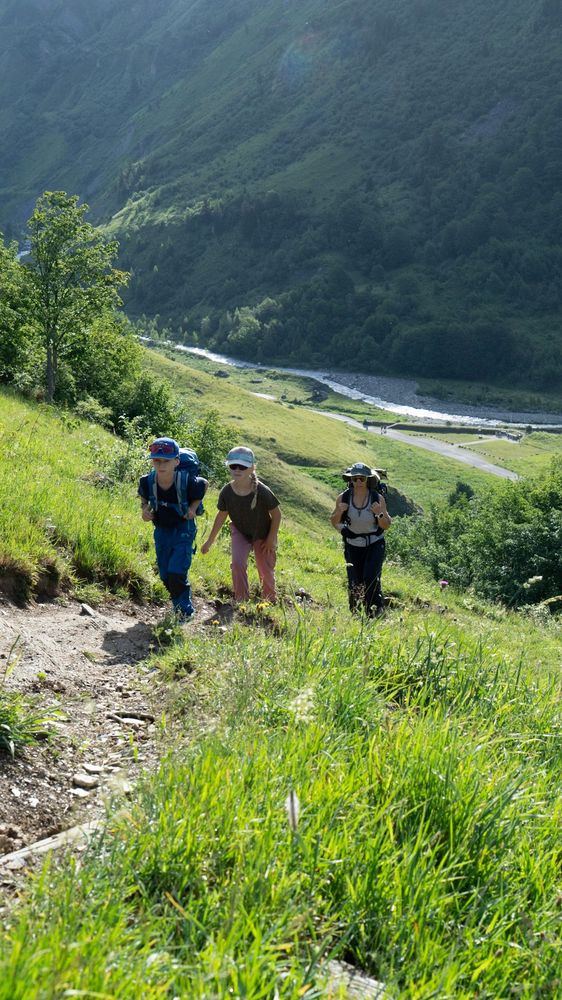
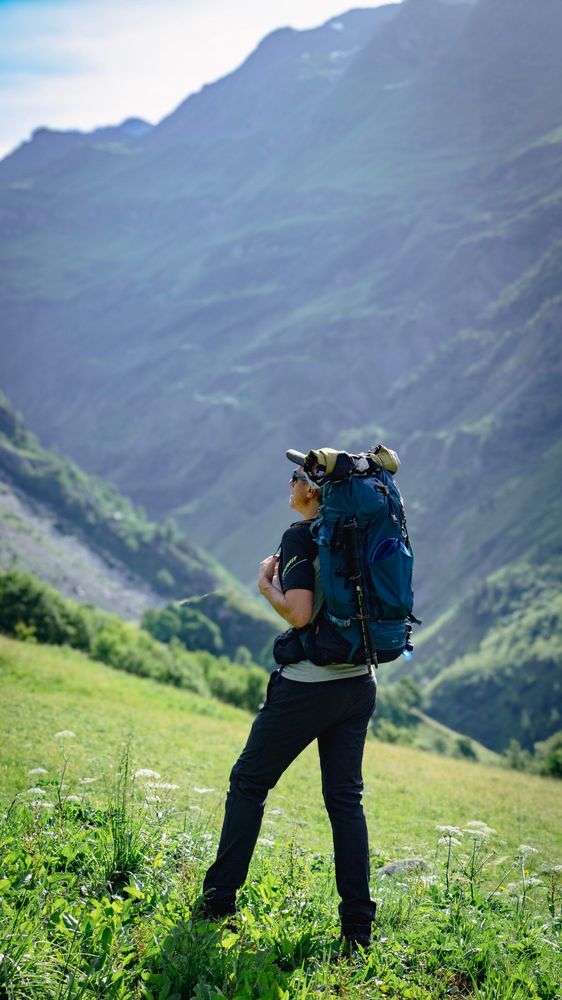
The Tour du Mont-Blanc forms a great loop around the Mont-Blanc massif, linking valleys and passes across France, Italy and Switzerland. It is usually walked in 7 to 12 days, with stages connecting villages and mountain refuges. Each day brings varied landscapes: glaciers, alpine forests, high pastures and mountain panoramas.
Preparing your Tour du Mont-Blanc properly is essential to get the most out of the experience. Best time to go, fitness, gear or safety: find all the information you need to organise your trek in the best possible conditions.
The ideal season runs from mid-June to mid-September. July and August offer the best conditions but also the highest footfall, and some accommodation can be fully booked several months in advance.
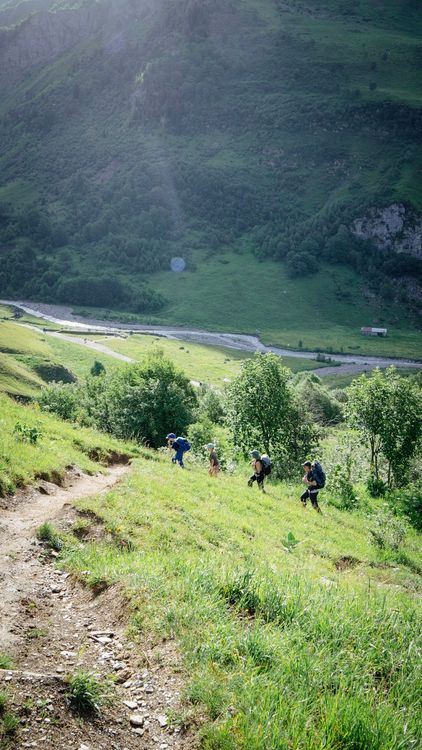
The Tour du Mont-Blanc is accessible to any regular hiker in good physical condition. The full circuit covers approximately 170 km and 10,000 m of elevation gain. Solid physical preparation beforehand is strongly recommended, especially if you plan to complete it in 7 to 8 days.
The prerequisite is simple: be able to walk for 6 hours with 1,000 m of elevation gain, carrying a rucksack, and put your boots back on the next day.
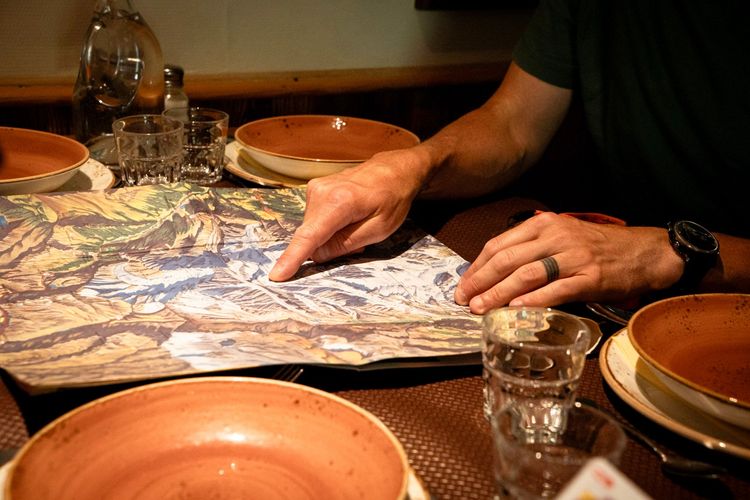
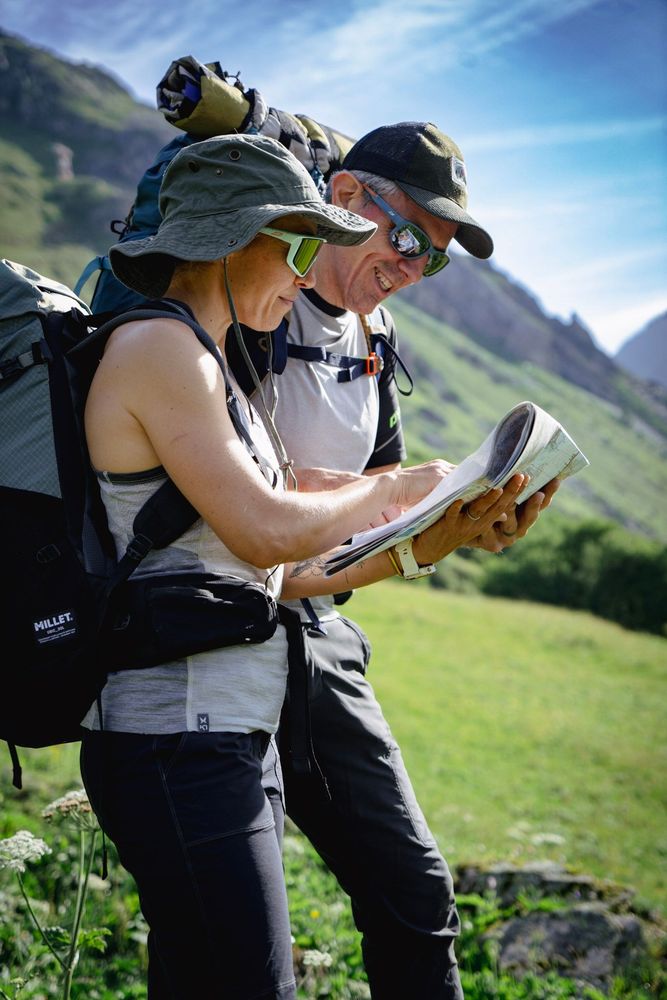
The mountains remain a demanding natural environment. Weather, ascent and navigation should always be taken into account before each stage. Being able to read an IGN map or use a GPS is one of the prerequisites.
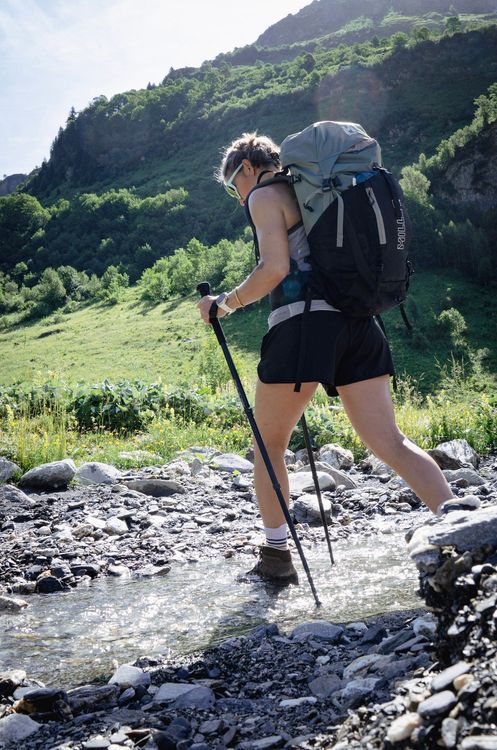
Waterproof, well broken-in hiking boots, warm layers and a windproof jacket, trekking poles: these are the essentials. Do not forget high-SPF sun cream and a good-capacity water bottle. The TMB also needs to be prepared in your pack.
The Tour du Mont-Blanc crosses fragile natural areas and inhabited mountain communities. Following good practices protects these landscapes and keeps a respectful balance between hikers, residents and nature.
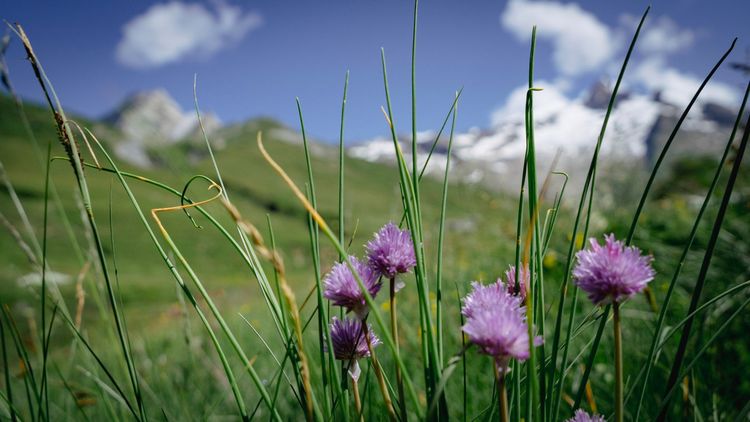
The Tour du Mont-Blanc passes through protected natural areas. Stay on the marked trails, do not pick flowers, and avoid disturbing wildlife. Every small action counts in ensuring that these landscapes remain intact for future generations.

Take all your waste with you, even biodegradable waste. It can harm the natural environment.

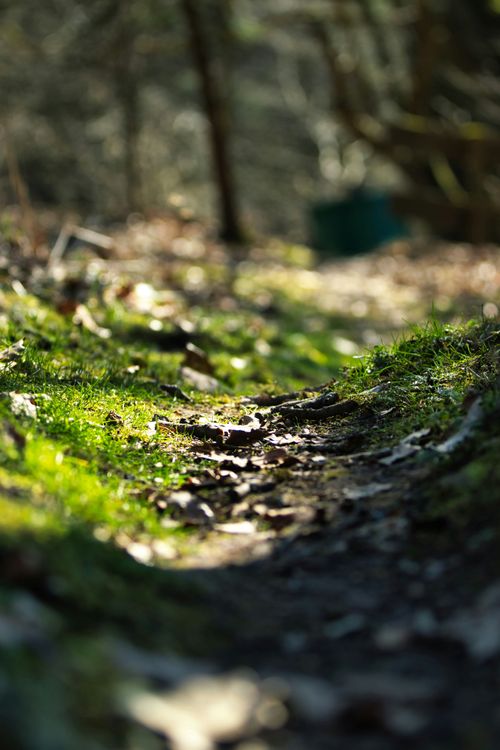
Cutting across switchbacks damages the slopes and accelerates erosion. Stay on the marked trails, even in bad weather. If the ground is soggy, slow down rather than going around; every step off the trail leaves a lasting mark.
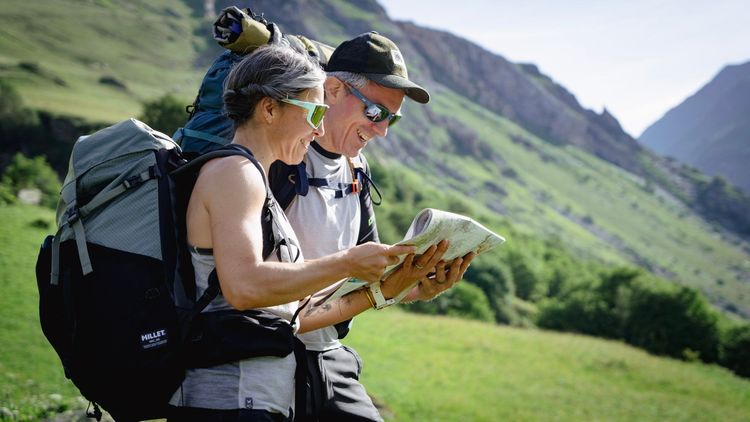
How long the Tour takes depends on your pace:
• Athletic: 7 days
• Balanced: 9-10 days
• Contemplative: 11-12 days
Choose the pace that suits your wishes and your fitness.
Yes. During high season, refuges and accommodation are often fully booked several months in advance. It is strongly recommended to book your nights before setting off.
Bivouacking is regulated according to the areas crossed. It is sometimes permitted near refuges and during limited hours. It is prohibited in nature reserves, except in the areas set aside for it. It is prohibited on private property, of which there is a great deal along the route.